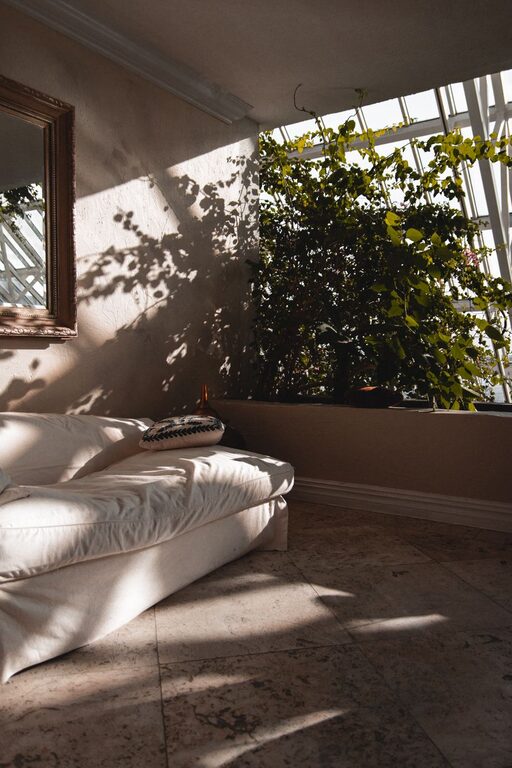
Creating a relaxing home environment is essential for promoting better well-being. After a busy day, having a peaceful space to unwind can help reduce stress, improve mood, and support mental clarity. Fortunately, designing a calm and inviting home doesn’t require a big budget or major renovations. With a few simple changes, you can transform your living space into a soothing retreat that feels both comfortable and refreshing.
In this post, we’ll explore practical ideas and tips for creating a relaxing home environment that supports your health and happiness.
1. Declutter and Organize Your Space
A cluttered environment can contribute to feelings of stress and anxiety. Start by tidying up your home and organizing your belongings.
– Keep only what you need and love: Donate or recycle items that no longer serve you.
– Use storage solutions: Baskets, shelves, and boxes help keep things organized and out of sight.
– Create designated zones: Assign specific areas for work, relaxation, and hobbies to maintain order.
When your home feels clean and organized, it becomes easier to relax and focus on what matters most.
2. Bring Nature Indoors
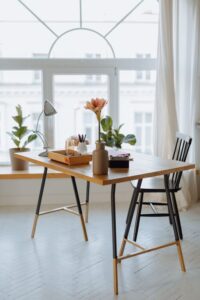
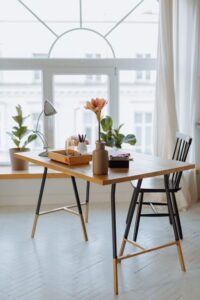
Natural elements have a calming effect and help create a peaceful atmosphere.
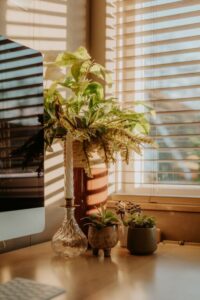
– Add houseplants: Plants like snake plants and peace lilies are low maintenance and improve air quality.
– Use natural light: Open curtains and blinds during the day to let sunlight fill your rooms.
– Incorporate natural materials: Wood, stone, and cotton add warmth and texture to your décor.
Even small touches of nature can help your home feel more balanced and soothing.
3. Choose Calming Colors
Colors influence our emotions, so selecting a calming palette is key to relaxation.
– Soft neutrals: Whites, beiges, and light grays create a serene backdrop.
– Pastel shades: Light blues, greens, and lavenders promote tranquility.
– Limit bright colors: Avoid overusing bold or intense hues, which can feel stimulating.
Consider repainting walls or adding accent pieces like throw pillows, rugs, or curtains in these calming tones.
4. Use Soft Lighting
Lighting plays a major role in setting the mood of a room.
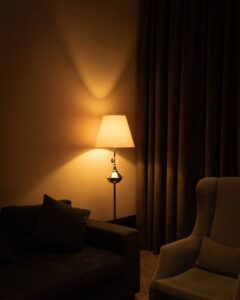
– Opt for warm lights: Use bulbs with a warm color temperature for a cozy ambiance.
– Incorporate multiple light sources: Table lamps, floor lamps, and string lights provide gentle illumination and avoid harsh overhead lighting.
– Use dimmers: Adjustable brightness allows you to tailor the light to different activities and times of day.
Soft, subtle lighting helps create a relaxed and inviting space.
5. Create Comfortable Areas
Comfort encourages relaxation and well-being.
– Invest in quality seating: Choose chairs and sofas that support your body and invite you to unwind.
– Add cozy textiles: Soft blankets, cushions, and rugs add warmth and comfort.
– Arrange furniture for conversation: Group seating to encourage connection and ease.
Even small changes, like adding a comfortable throw or an ergonomic chair, can make a big difference.
6. Incorporate Calming Scents
A pleasant scent can soothe your mind and enhance the feeling of comfort.
– Use essential oils: Lavender, chamomile, and eucalyptus are popular for relaxation.
– Burn natural candles: Choose soy or beeswax candles with subtle fragrances.
– Simmer herbs or spices: Boiling a pot with cinnamon sticks and orange peels creates a warm, welcoming aroma.
A gentle scent can help signal your brain that it’s time to relax and unwind.
7. Minimize Noise
Excess noise can disrupt relaxation and increase stress levels.
– Use soft fabrics: Curtains, rugs, and cushions help absorb sound.
– Play calming music or nature sounds: Background sounds like ocean waves or gentle rain can create a peaceful atmosphere.
– Consider noise-canceling solutions: White noise machines or earplugs can help if you live in a noisy area.
Taking steps to limit unwanted noise supports a calm and restful environment.
8. Dedicate a Relaxation Zone
Having a specific area designed for calm can remind you to take time for yourself.
– Create a reading nook: A comfy chair with good lighting can be the perfect spot to escape with a book.
– Set up a meditation or yoga space: Use a mat, cushions, and perhaps some candles or plants.
– Keep it clutter-free: Make this a screen-free zone to reduce distractions.
Even a small corner of your home can become a personal sanctuary for relaxation.
Final Thoughts
Creating a relaxing home environment doesn’t have to be complicated. By incorporating simple strategies like decluttering, adding natural elements, choosing calming colors, and prioritizing comfort, you can enhance your well-being and make your home a true refuge. Whether you have a large space or a cozy apartment, these tips can help you foster peace and relaxation every day.
Take your time and experiment with what works best for you. Your well-being is worth it!