Creating a relaxing home office environment is essential for maintaining focus, reducing stress, and improving overall productivity. Whether you’re working remotely full-time or just need a dedicated space to tackle tasks, a calm and comfortable setup can make a big difference in how you feel throughout the day. Here are some practical tips to help you design a relaxing home office that supports your work and well-being.
1. Choose the Right Location
Your home office location plays a crucial role in creating a peaceful environment. Select a quiet area away from high-traffic parts of your home, if possible. This helps minimize distractions and noise, allowing you to concentrate better.
– Avoid spaces near loud appliances or busy rooms.
– Consider natural light when choosing your spot; it can improve mood and energy.
– If space is limited, try using room dividers or screens to create a defined work zone.
2. Prioritize Natural Light and Good Lighting
Lighting affects your comfort and productivity. Natural light is the best option because it boosts mood and reduces eye strain.
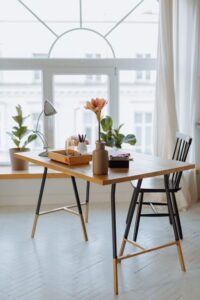
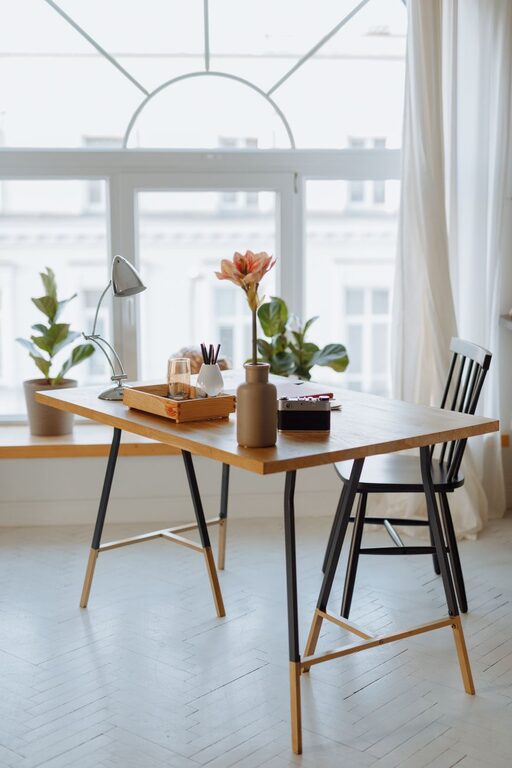
– Position your desk near a window to take advantage of sunlight.
– Use sheer curtains to soften direct sunlight without losing brightness.
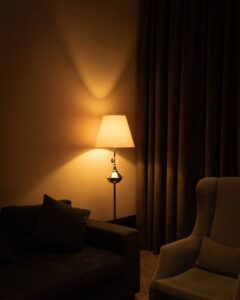
– Supplement with adjustable desk lamps or overhead lighting that mimics daylight, especially for early mornings or evenings.
3. Invest in Comfortable and Supportive Furniture
Since you’ll spend many hours at your desk, comfort is key.
– Choose an ergonomic chair with good lumbar support to prevent back pain.
– Pick a desk height that allows your arms to rest naturally while typing.
– Consider a sit-stand desk if you want to alternate postures throughout the day.
Comfortable furniture keeps you physically at ease, which helps your mind stay focused and relaxed.
4. Keep Your Workspace Organized
Clutter can increase stress and distract you from your tasks. A tidy workspace promotes clarity and relaxation.
– Use organizers such as trays, file holders, and drawers to keep papers and supplies neat.
– Only keep essential items on your desk to reduce visual clutter.
– Schedule regular times to clean and rearrange your space.
A clean environment creates a sense of order and calm.
5. Use Soothing Colors and Décor
Colors influence mood and productivity. Soothing tones can help create a relaxing atmosphere in your home office.
– Choose soft blues, greens, or neutrals for walls and furniture.
– Add calming artwork or photos that inspire and soothe you.
– Keep décor minimal to avoid distractions but add personal touches like plants or meaningful mementos.
These elements help foster a peaceful ambiance that supports sustained focus.
6. Incorporate Plants and Natural Elements
Adding greenery is an easy way to brighten your space and reduce stress.
– Place a few low-maintenance houseplants on your desk or nearby shelves.
– Consider natural materials like wood or stone accents.
– Even small natural elements can improve air quality and make your office feel more inviting.
Being connected to nature helps promote relaxation and creativity.
7. Manage Noise Levels
Background noise can be disruptive, but complete silence isn’t always ideal. Balancing sound can create a better working environment.
– Use noise-canceling headphones if you’re in a noisy area.
– Play soft instrumental or ambient music to block distractions.
– Consider a white noise machine or app to create a consistent, calming sound environment.
Finding your ideal soundscape helps you focus without feeling isolated.
8. Control Temperature and Air Quality
A comfortable temperature and fresh air are important for your comfort and alertness.
– Adjust your thermostat so your space isn’t too hot or cold.
– Open windows for ventilation when possible.
– Use an air purifier if you’re sensitive to dust or allergens.
Good air circulation and temperature help maintain energy and prevent discomfort.
9. Create Boundaries and Set a Routine
Finally, it’s important to separate your work area from the rest of your home life.
– Use physical or visual dividers to mark your workspace.
– Establish clear start and end times for your workday.
– Take regular breaks to stand, stretch, or step outside.
Creating boundaries supports mental focus and helps you unwind after work hours.
—
By following these tips, you can create a home office environment that promotes relaxation and productivity. A well-designed space tailored to your needs not only helps you get work done efficiently but also improves your overall well-being. Start small and customize your office over time to find the perfect balance for you.