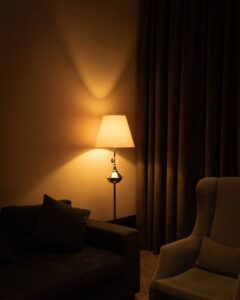
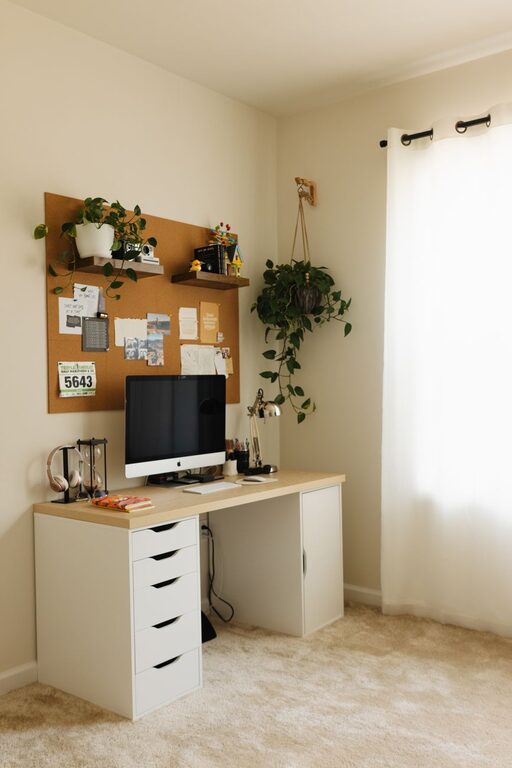
Creating a home workspace that balances coziness with functionality can transform the way you work. Whether you’re working remotely full-time or need a spot for occasional tasks, having a dedicated area that feels inviting and supports your productivity is key. In this post, we’ll explore practical tips for designing a workspace that helps you focus, stay organized, and feel comfortable throughout your workday.
Why a Cozy and Functional Workspace Matters
Your workspace directly affects your mood and productivity. A cluttered or uncomfortable environment can lead to distractions, discomfort, and decreased motivation. On the other hand, a well-thought-out workspace encourages focus, creativity, and well-being.
The goal is to create a space that’s both welcoming and practical. Here’s how to achieve that balance.
Choose the Right Location
Start by selecting a spot that suits your working style and needs. Consider the following:
– Natural light: Working near a window can boost your mood and energy. Aim for a space with plenty of daylight but avoid direct glare on your screen.
– Quiet environment: A calm area reduces distractions, helping you concentrate better.
– Space availability: Ensure there’s enough room for your desk, chair, and storage solutions without feeling cramped.
If space is limited, don’t worry — even a small nook can become a cozy and efficient workspace.
Invest in Ergonomic Furniture
Comfort is crucial for long work hours. Ergonomic furniture supports your body properly and reduces strain.
– Desk: Choose a desk at the right height for you. Adjustable desks or sit-stand options can add variety to your routine.
– Chair: An ergonomic chair with good lumbar support keeps your back healthy and comfortable.
– Keyboard and mouse: Ergonomic accessories can prevent wrist pain and promote natural hand positions.
Remember to maintain good posture by positioning your monitor at eye level and keeping your feet flat on the floor.
Optimize Lighting
Proper lighting reduces eye strain and enhances focus.
– Natural light: As mentioned, use daylight wisely but have curtains or blinds to control brightness.
– Task lighting: Use a desk lamp with adjustable brightness and direction to light your workspace without shadows.
– Ambient lighting: Soft overhead lights create a cozy atmosphere without glare.
Choose bulbs with a color temperature around 4000K to 5000K for a balance between warm and cool light, which is ideal for work.
Keep It Organized
A tidy workspace helps clear your mind.
– Declutter regularly: Keep only essentials on your desk.
– Storage solutions: Use shelves, drawers, and organizers to store documents and supplies.
– Cable management: Use clips or sleeves to keep cords neat and prevent tangling.
– Digital organization: Maintain well-organized computer files and emails to reduce digital clutter.
An organized area saves time and increases efficiency.
Add Personal and Cozy Touches
Small additions can make your workspace enjoyable and uniquely yours.
– Plants: Adding greenery brings life and improves air quality.
– Textures: Soft blankets, cushions, or a comfortable rug can warm up the space.
– Artwork and photos: Display inspiring images or personal photos to boost your mood.
– Scent: Using a mild diffuser with essential oils can create a calming environment.
While decorating, keep in mind that too much visual clutter can be distracting, so aim for balance.
Incorporate Functional Technology
Make sure your workspace has the tech tools you need, set up for ease and comfort.
– High-speed internet: Reliable connectivity is essential.
– Multiple monitors: If your work involves multitasking, consider extra screens.
– Effective speakers or headphones: For calls and focus.
– Charging stations: Keep devices powered without cords cluttering your desk.
Keep your technology organized and within reach to maintain workflow momentum.
Set Boundaries and Routine
Lastly, having a cozy and functional workspace also means respecting its purpose.
– Dedicated work hours: Set clear start and end times.
– Break spots: Step away from your desk regularly to stretch and refresh.
– Separate workspace: Avoid working in places associated with relaxation, like your bed or couch.
This mental separation helps you focus during work and unwind afterward.
Final Thoughts
Creating a cozy and functional home workspace doesn’t have to be complicated or expensive. By selecting the right location, investing in ergonomic furniture, optimizing lighting, organizing your items, and adding personal touches, you’ll build an environment that nurtures both comfort and productivity. Remember, your workspace should adapt to your needs and preferences, so feel free to experiment and adjust until it feels just right.
A well-designed workspace makes working from home not only doable but enjoyable.